The allure of owning an exotic pet has led many to explore beyond the typical domestic cat or dog. Enter the Savannah cat—a breed that combines the wild aesthetics of a serval with the affectionate nature of a domestic cat. In this blog, we’ll delve into the captivating world of Savannah cats, covering their origins, characteristics, care needs, and what potential owners should consider before bringing one into their home.
The Origins of the Savannah Cat
The Savannah cat is a hybrid breed, first created in the mid-1980s by breeding a serval (a wild African cat) with a domestic cat. This breed was named after the African Savannah, reflecting its wild heritage. The initial crossbreeding aimed to combine the serval’s exotic appearance with the domestic cat’s docile temperament.
Physical Characteristics
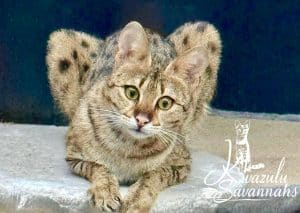
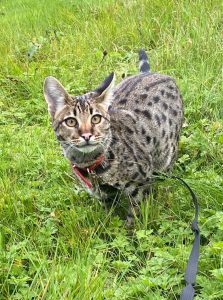
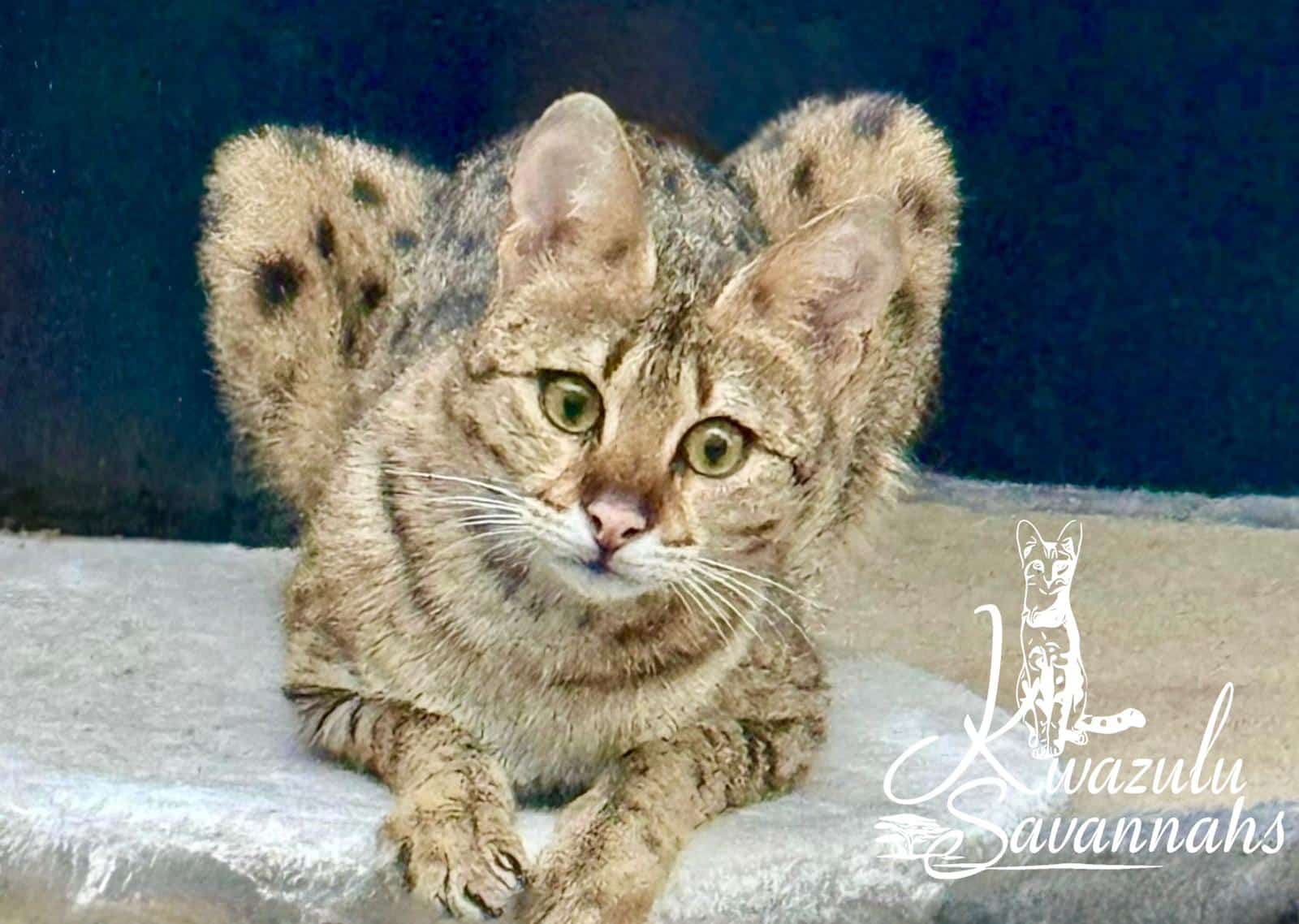
Savannah cats are known for their striking appearance, which closely resembles their wild ancestors. Here are some key features:
- Size: Savannahs are among the largest domestic cats, with males typically weighing between 15-25 pounds and females slightly smaller.
- Coat: Their short, sleek coats come in various patterns, but the most common and desired is the spotted coat similar to that of a serval.
- Ears: Large, upright ears that are a distinctive feature of the breed.
- Legs: Long, slender legs that contribute to their tall and athletic build.
- Eyes: Their eyes are often striking and can come in various colors, adding to their wild appearance.
Personality and Behavior
While their wild looks might suggest otherwise, Savannah cats are known for their playful and social personalities. Here are some behavioral traits:
- Intelligence: Savannahs are highly intelligent and curious, often figuring out how to open doors and cabinets.
- Energy: They are very active and require ample playtime and mental stimulation.
- Sociability: These cats are generally social and can form strong bonds with their human families. They often enjoy interacting with other pets.
- Vocalization: Savannahs are known to be quite vocal, communicating with a range of sounds including chirps, meows, and hisses.
Care and Maintenance
Owning a Savannah cat is a commitment that goes beyond the typical care required for domestic cats. Here are some considerations:
- Space: Due to their high energy levels, Savannahs benefit from having ample space to explore and play. A secure outdoor enclosure can be ideal.
- Diet: A high-protein diet is essential. Some owners choose to include raw meat in their diet to mimic the diet of their wild ancestors.
- Exercise: Regular play and exercise are crucial. Interactive toys, climbing structures, and puzzle feeders can help keep them engaged.
- Grooming: Their short coat requires minimal grooming, but regular brushing can help keep their fur in good condition and reduce shedding.
Legal and Ethical Considerations
Before acquiring a Savannah cat, it’s important to consider the legal and ethical implications:
- Regulations: Some regions have restrictions or bans on owning hybrid animals. Check local laws to ensure compliance.
- Breeding Ethics: Ensure you acquire your Savannah cat from a reputable breeder who follows ethical breeding practices and prioritizes the health and well-being of their animals.
Conclusion
Savannah cats offer a unique blend of wild beauty and domestic companionship, making them an appealing choice for those looking to add a bit of the exotic to their lives. However, their care requirements and the commitment needed should not be underestimated. If you’re ready to embrace the challenge, a Savannah cat can be a rewarding and fascinating addition to your family.
Before making the decision, ensure you have thoroughly researched and prepared for the journey of owning one of these extraordinary felines. With the right care and environment, a Savannah cat can be a loyal and enchanting companion, bringing a touch of the wild into your everyday life.